
admin

Annual Prediction Output of an RADTIRC-PV Module

The number of solar photovoltaic (PV) installations has been increasing worldwide but the high capital cost of installation continues to be the main challenge, particularly in many developing countries. The solar concentrator, a device that focuses the sunlight onto a small area, has the potential to minimize the use of expensive PV material while maintaining the system’s performance, ultimately bringing down its overall cost.

Annual Prediction Output of an RADTIRC-PV Module Read More »

Adequacy Assessment of Time of Dispatch Rules using Fuzzy TOPSIS Method

Adequacy assessment of the existing Time of Dispatch (TD) rules is an academic primary step to improve the regulation of electronic commerce laws. This study aims to evaluate the ASEAN countries based on the adequacy of their TD rules. We propose an extended Fuzzy Technique for Order Preference by Similarity to Ideal Solution (TOPSIS) method for …

Adequacy Assessment of Time of Dispatch Rules using Fuzzy TOPSIS Method Read More »

Life Cycle Assessment of a Rotationally Asymmetrical Compound Parabolic Concentrator (RACPC)

Integrating a concentrator into the building integrated photovoltaic (BIPV) design has resulted in a new technology known as the building integrated concentrating photovoltaic (BICPV). The rotationally asymmetrical compound parabolic concentrator (RACPC) is an example of a concentrator design that has been explored for use in BICPV. This paper evaluates the life cycle assessment (LCA) for the RACPC-PV module, which has never been explored before.

Life Cycle Assessment of a Rotationally Asymmetrical Compound Parabolic Concentrator (RACPC) Read More »

Nuclear Energy Development in Bangladesh: A Study of Opportunities and Challenges

It is a challenging task for Bangladesh to meet its increasing demand of energy while its economy is rapidly growing. Though prices of oil, coal, and fossil fuels around the world have been volatile, the price trend in Bangladesh demonstrates a persistent rise in the immediate past. This is further exacerbated by depleting reserves of natural gas. Cumulatively, these two effects heighten Bangladesh’s energy needs. Bangladesh presently mitigates her energy requirements predominantly through natural gas, supplemented by a handful of coal and furnace oil plants.

Nuclear Energy Development in Bangladesh: A Study of Opportunities and Challenges Read More »

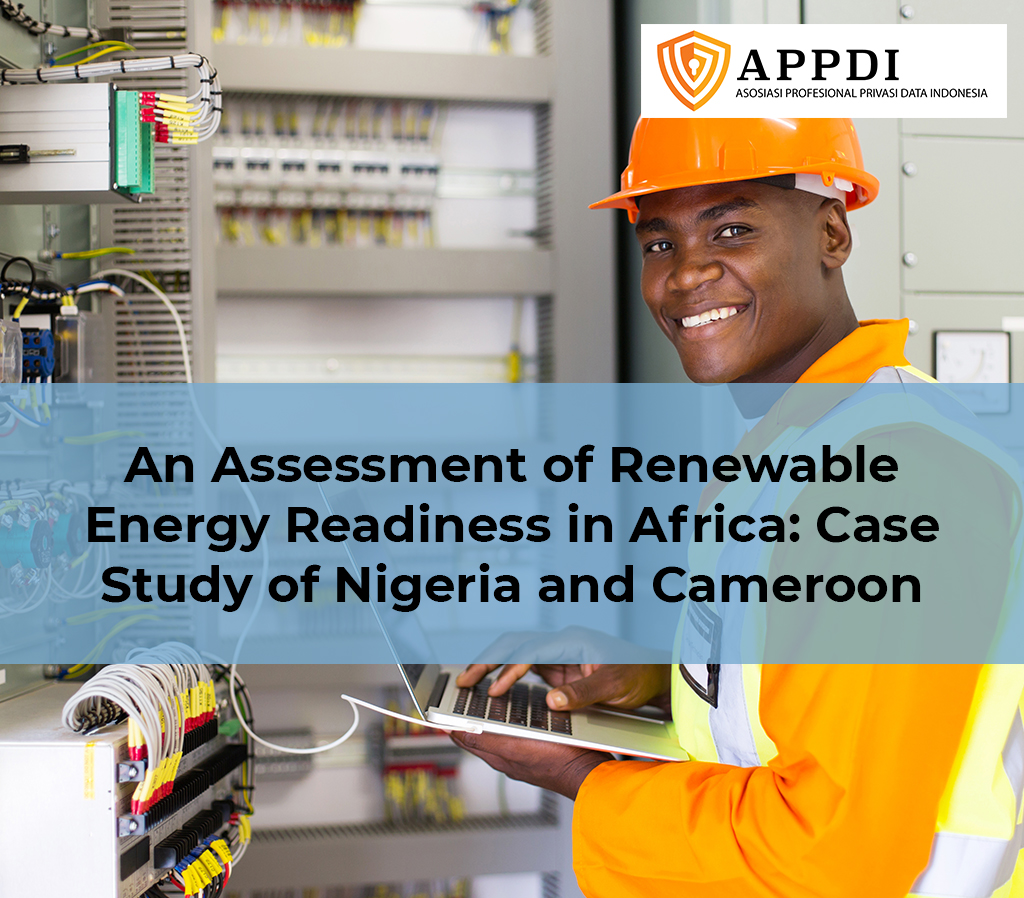
An Assessment of Renewable Energy Readiness in Africa: Case Study of Nigeria and Cameroon

Africa is blessed with abundant energy sources that can promote economic growth and provide sufficient capacity to meet up with the future electricity demand. This paper evaluates the progress made in renewable energy (RE) development in Nigeria and Cameroon together with the roadmaps for future implementation. Since the early 2000, Nigeria has…

An Assessment of Renewable Energy Readiness in Africa: Case Study of Nigeria and Cameroon Read More »

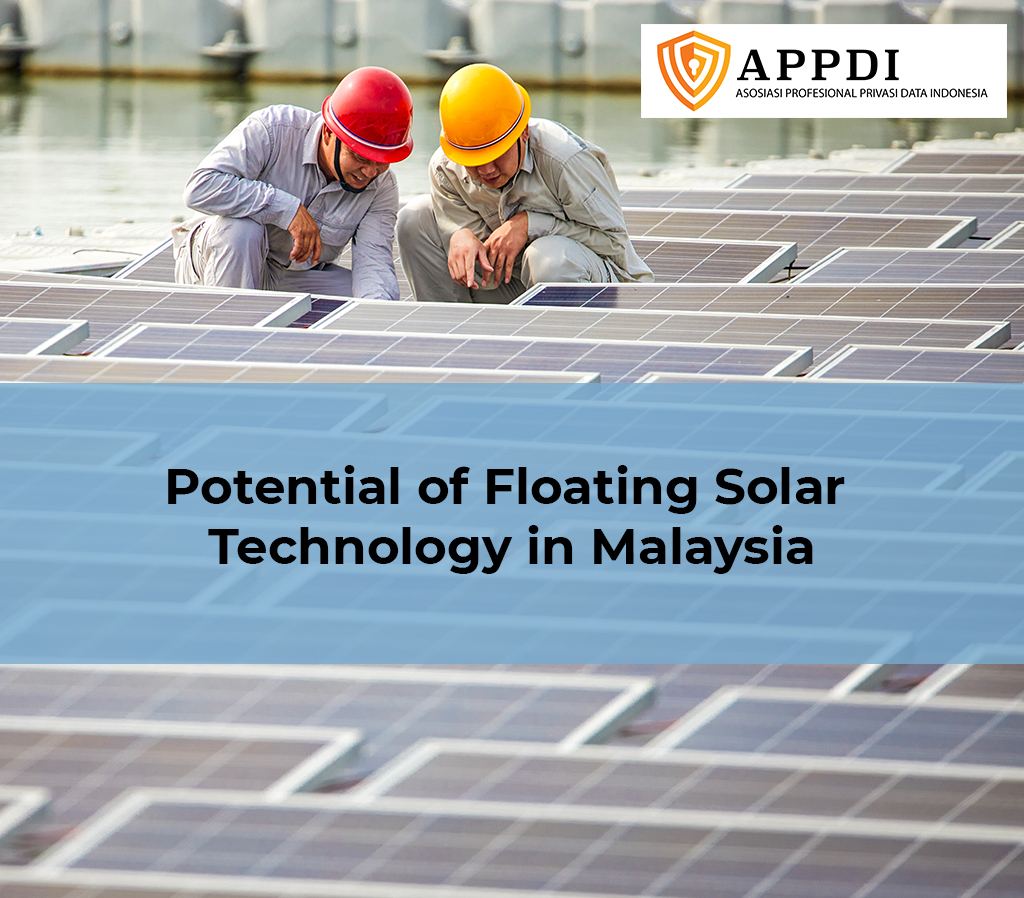
Potential of Floating Solar Technology in Malaysia

Solar energy is a natural source of energy and is tremendously abundant. The concept of floating solar is to fulfil and to support the existing energy supply in order to enhance the human life. The floating solar exploits the massive availability of ocean region and the severe unavailability of land. The main purpose of this paper is to evaluate the potential of floating solar to be deployed in coastal or infield in Malaysia.

Potential of Floating Solar Technology in Malaysia Read More »

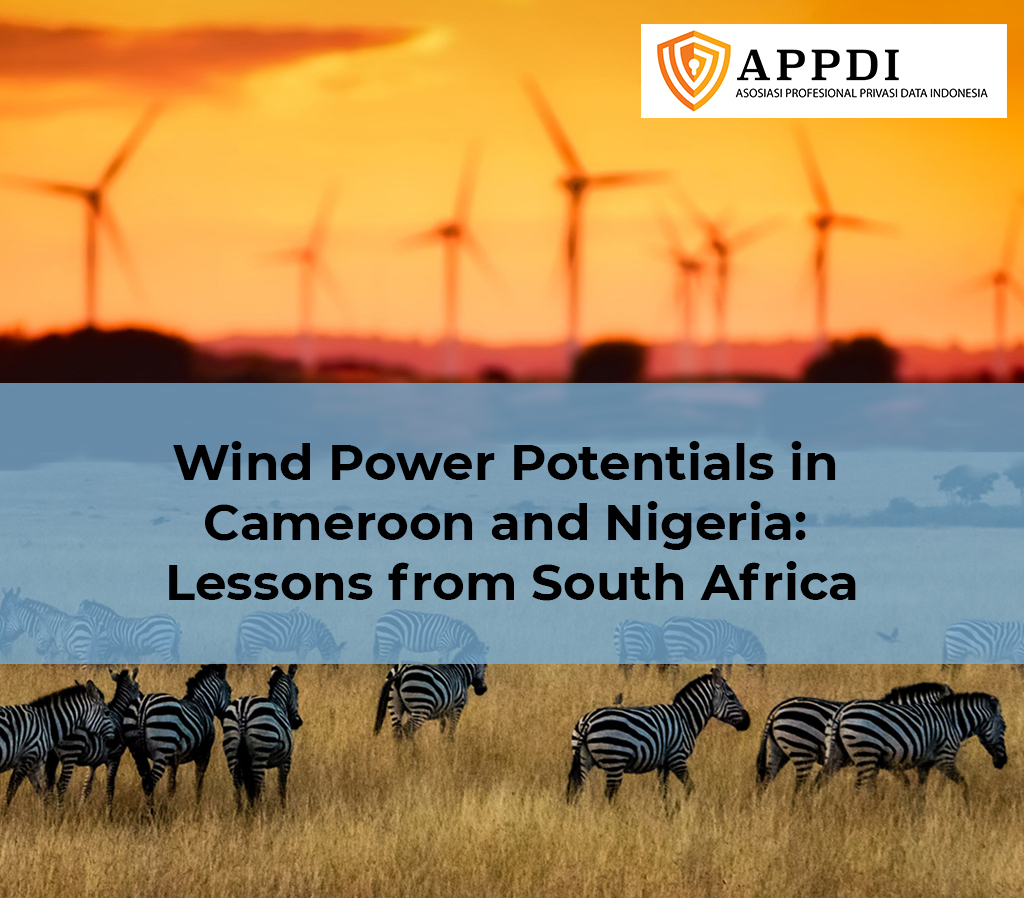
Wind Power Potentials in Cameroon and Nigeria: Lessons from South Africa

Wind energy has seen a tremendous growth for electricity generation worldwide and reached 456 GW by the end of June 2016. According to the World Wind Energy Association, global wind power will reach 500 GW by the end of 2016. Africa is a continent that possesses huge under-utilized wind potentials. Some African countries, e.g., Morocco, Egypt, Tunisia and South Africa, have already adopted wind as an alternative power generation source in their energy mix.

Wind Power Potentials in Cameroon and Nigeria: Lessons from South Africa Read More »

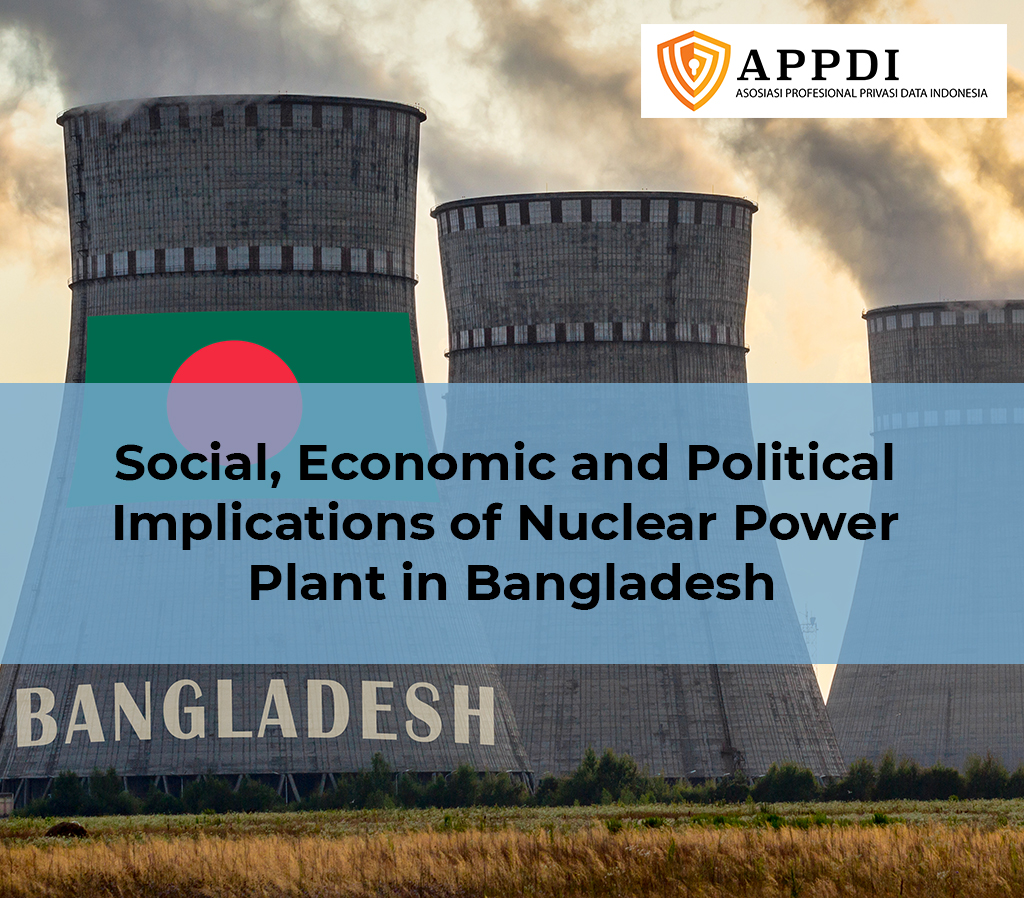
Social, Economic and Political Implications of Nuclear Power Plant in Bangladesh

Whether a global nuclear renaissance will usher or sustain, the affair hinges on a myriad of the socio-political and economic factors. In one hand, the consistent rise in the prices of oil, coal, fossil fuels and on the other, the lack of natural gas reserves has indicated the struggle of Bangladesh for energy demand, which is eventually going to persist in future.

Social, Economic and Political Implications of Nuclear Power Plant in Bangladesh Read More »

Social Interactive Media Tools and Knowledge Sharing: A Case Study

Social Media Tools (SMT) have provided new opportunities for libraries and librarians in the world. In academic libraries, we can use of them as a powerful tool for communication. This study is to determine the use of the social interactive media tools [Social Networking Tools (SNT), Social Bookmarking Tools (SBT), Image or Video Sharing Tools (IVShT), and Mashup Tools (MT)] in disseminating knowledge and information among librarians in the Limerick University, Ireland.

Methodology: The study was a descriptive survey.

Social Interactive Media Tools and Knowledge Sharing: A Case Study Read More »

Language »

Subscribe